The Alumni Advocacy Engine + CareerFoundry
Bridging the credibility gap in a skeptical market
Role: Head of Social & Content
Client: CareerFoundry (Global EdTech)
Scope: Narrative Lifecycle Strategy, Creative Direction, Cross-Functional GTM
Platforms: YouTube, Instagram, LinkedIn, Paid Media, Product Landing Pages, Email Marketing

When a brand asks people to make a $10,000 career bet, testimonials don't close the gap. Trust does. The real conversion problem at CareerFoundry wasn't that people didn't believe the product worked — it's that they couldn't see themselves in the story. I didn't just remake the content. I rebuilt the entire narrative infrastructure around a single principle: the most credible voice in the room is always the person who was sitting exactly where your prospect is sitting right now.
Insight

CareerFoundry was entering a rebrand during a moment of peak market skepticism. The bootcamp and online education space had oversaturated the "career change" promise, and prospective students had developed a finely tuned radar for manufactured success stories.
The conventional response would have been better production values, more polished testimonials, cleaner social graphics. We rejected that instinct entirely.
The problem wasn't production quality. It was narrative distance. Generic testimonials kept the graduate at arm's length. What a skeptical prospect actually needs is identity proximity: someone whose specific past — their industry, their fear — maps closely enough onto their own that the leap feels survivable.
Once I named that as the real problem, every strategic decision followed from it: who we cast, how we filmed, where the content lived, and how we built a system to make it scale.
Challenge

CareerFoundry was navigating a complete brand evolution — moving from a product-led identity to a lifestyle-authoritative one — at exactly the moment the market had grown most skeptical of what it was selling. The "career change" promise had become a cliché. Generic testimonials, however well-produced, were actively working against trust rather than building it.
The goal wasn't to make better testimonials. It was to retire the testimonial as a format entirely — and replace it with something the audience would seek out, share, and return to.
Strategy:
From Testimonials to Stories

I identified two distinct psychological jobs that content needed to do for a high-consideration prospect — and built a separate content vehicle for each.
Mechanism 1: Identity proximity. The Graduate Stories NYC Series was designed to collapse the emotional distance between "person considering a career change" and "person who already made it." This required precision casting — not solely the most impressive alumni outcomes, but the most relatable origin stories. The cinematic, documentary-style production wasn't just an aesthetic choice — it was a trust signal. It communicated: this is a real person, in a real place, telling a real story.
Mechanism 2: Authority transfer. The 'UX Experts Answer' series served an entirely different function. Where the Graduate Stories said "you could become this person," the Experts Answer series said "these people already know what you need to know — and they're willing to tell you." By sourcing questions directly from the community and having alumni answer them, we didn't just create educational content; we repositioned CareerFoundry graduates as industry voices — which retroactively elevated the brand that produced them.
Together, these two mechanisms formed a complete trust architecture: proximity to make the leap feel possible, authority to make the destination feel real.
Execution: Building the Content Infrastructure
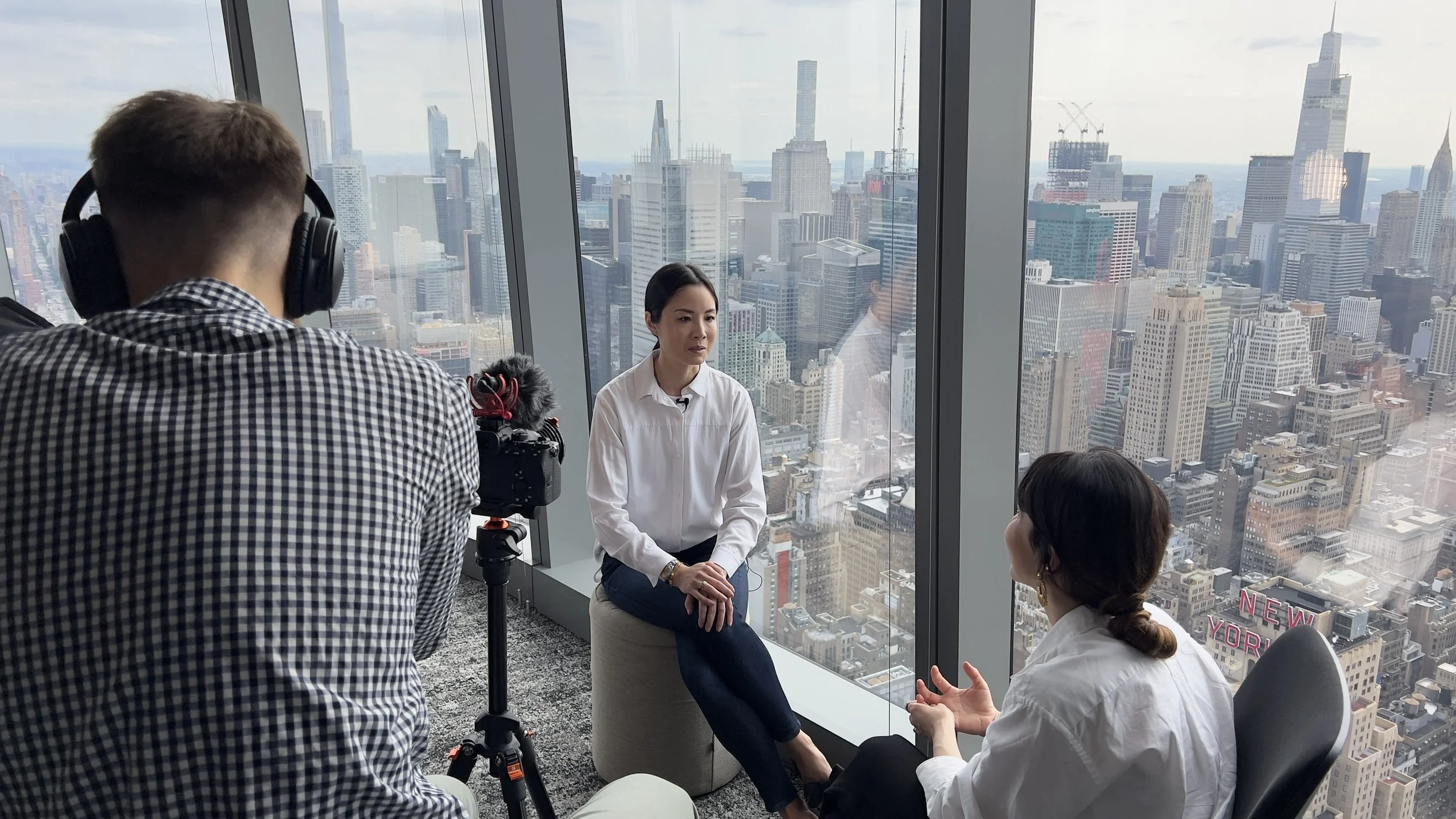
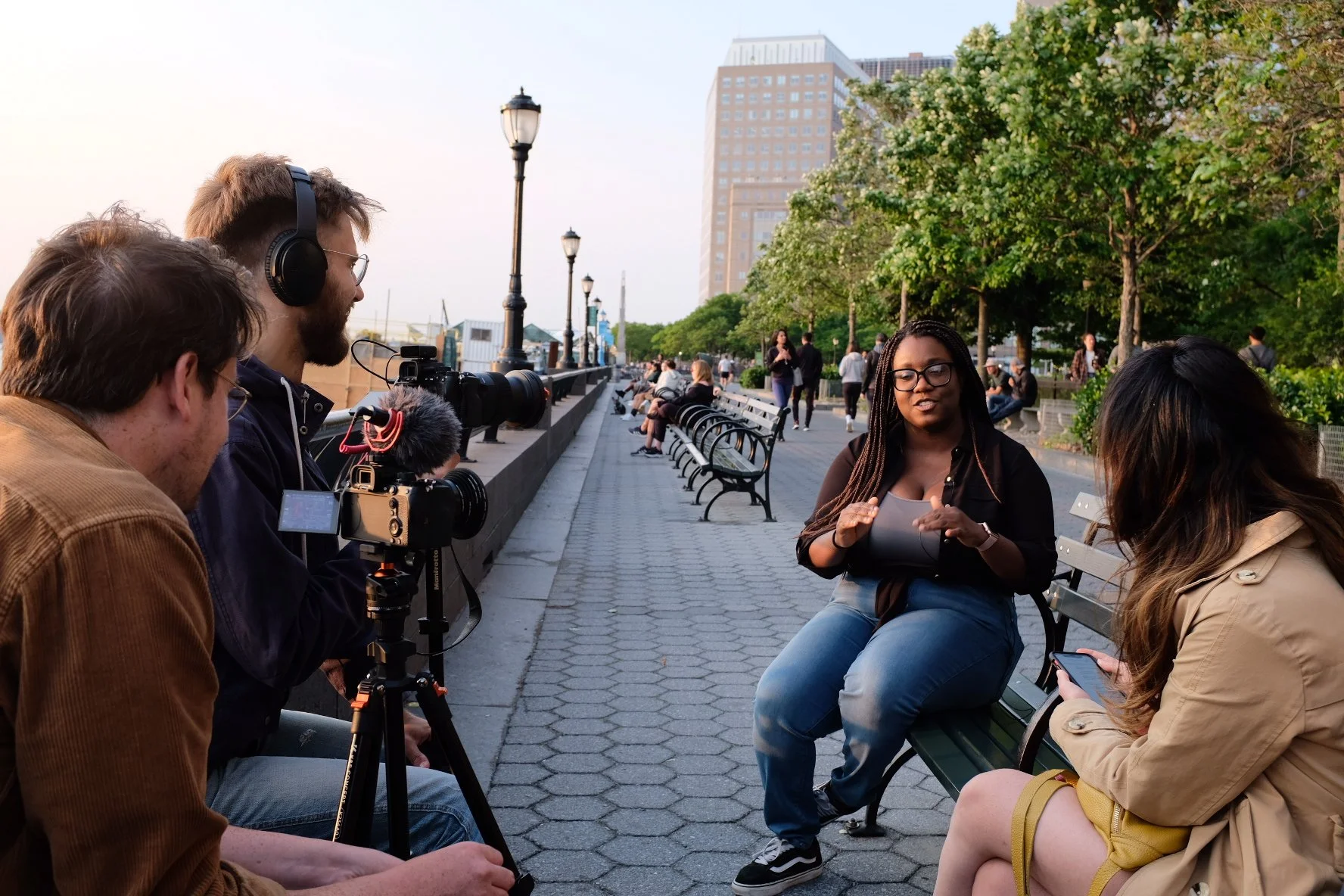
As Head of Social & Content, I owned the transition from product-focused brand to lifestyle-authoritative voice — which meant leading not just the creative work, but the organizational alignment required to make it stick.
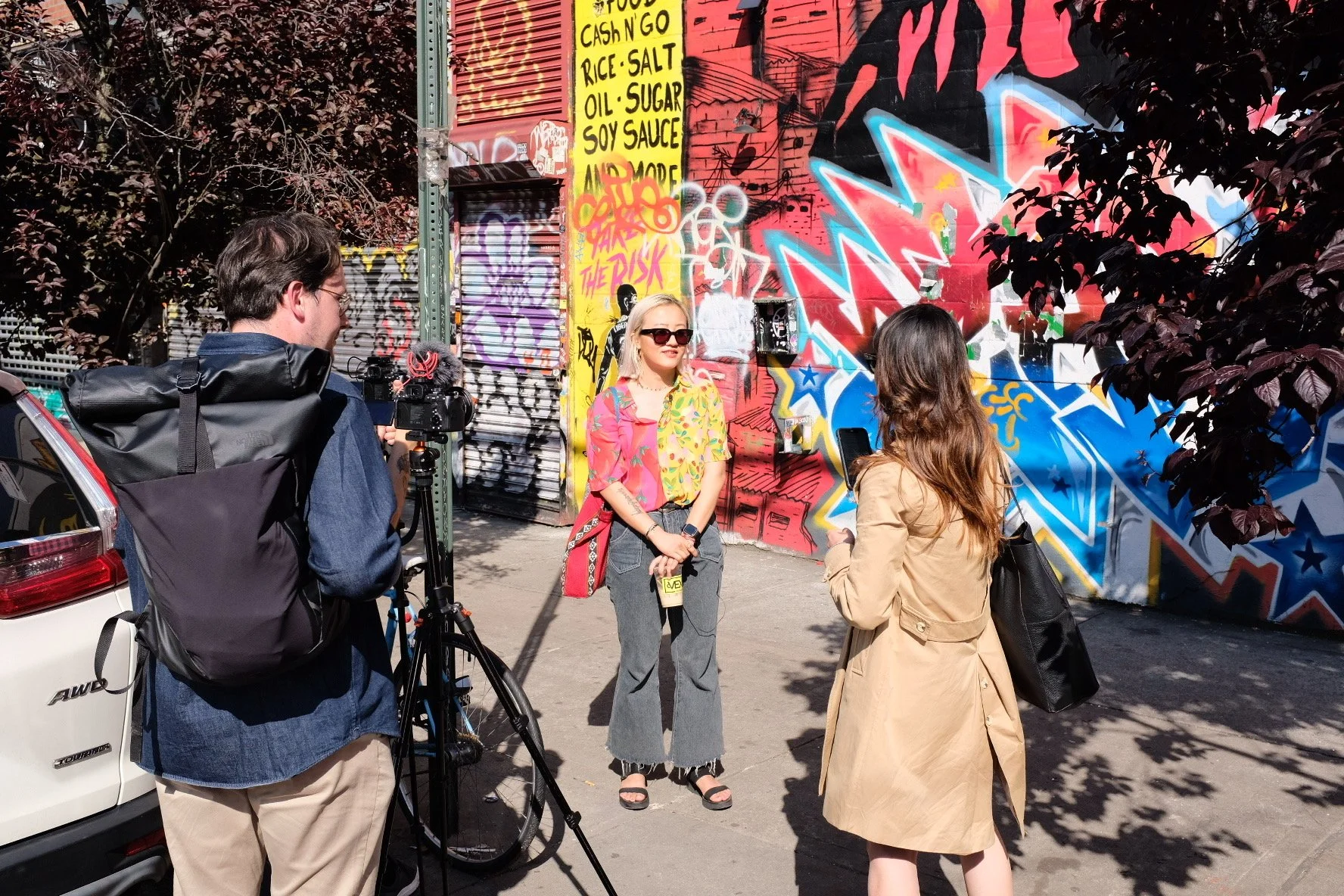
The Proof of Concept Tour. I pitched and led a cinematic production sprint in New York City — the first of its kind for CareerFoundry — to capture the Graduate Stories series on location. Moving the production out of studio and into the actual environments where grads were now thriving (Brooklyn creative studios, Manhattan offices, Peloton, Accenture, EY) wasn't just a visual decision. It was a spatial argument: this world is accessible, and it looks like this.
The Atomization System. I developed a production framework that turned a single shoot into a suite of 50+ assets — deep-dive YouTube documentaries, snackable TikTok hooks, LinkedIn thought-leadership cuts, email-embedded video previews. The strategic intent was longevity: one production investment that would continue generating trust signals across the funnel for months.
Full-Funnel Embedding. These stories were never treated as “just social content.” I led cross-functional collaboration with Product, SEO, Editorial, Performance, and Sales to embed the alumni narratives directly into the website and email nurture flows — ensuring that a high-intent prospect who was close to walking away would encounter a peer voice at exactly the right moment.
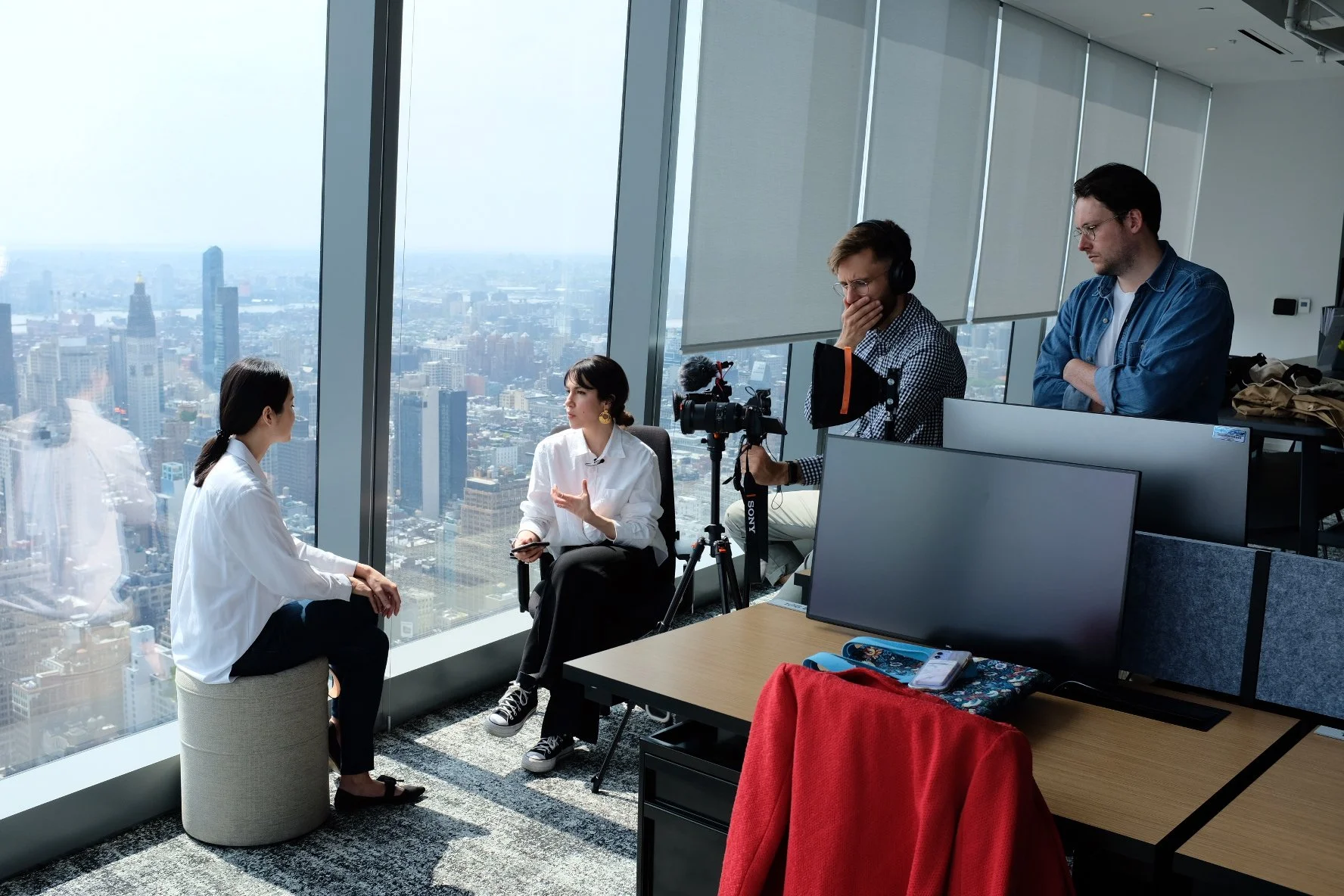
Behind the scenes with the team capturing inspiring alumni stories in NYC.
Campaign Highlights

Protecting the narrative under pressure. A company-wide rebrand creates friction — every team has an opinion about tone, every stakeholder has a priority. My job was to hold the strategic thread: that the brand's new identity only worked if the human voice at the center of it remained unpolished, unscripted, and peer-level. I made calls throughout production to resist the pull toward over-produced, corporate-feeling content because a sleek testimonial would have reproduced exactly the credibility problem we were solving.
Converting anxiety into authority. The 'UX Experts Answer' series was born from a specific observation: the questions prospective students asked in community forums were the same questions the brand needed to answer with honesty. By sourcing those exact questions and handing them to alumni, we turned the brand's most vulnerable surface area into its most compelling content.
Operational scale during organizational complexity. I orchestrated the collaboration between video production, editorial, and design across a high-volume content slate, during a rebrand, without losing narrative coherence.
Work
The Graduate Stories (NYC Series)
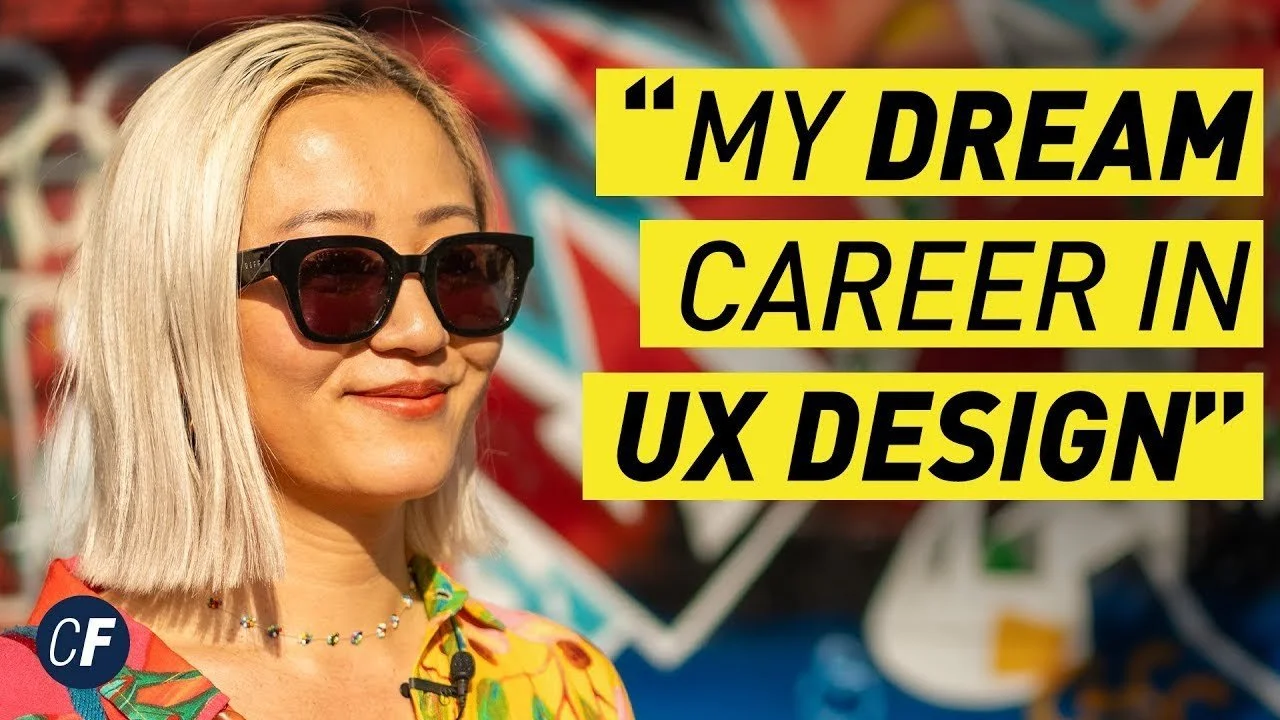

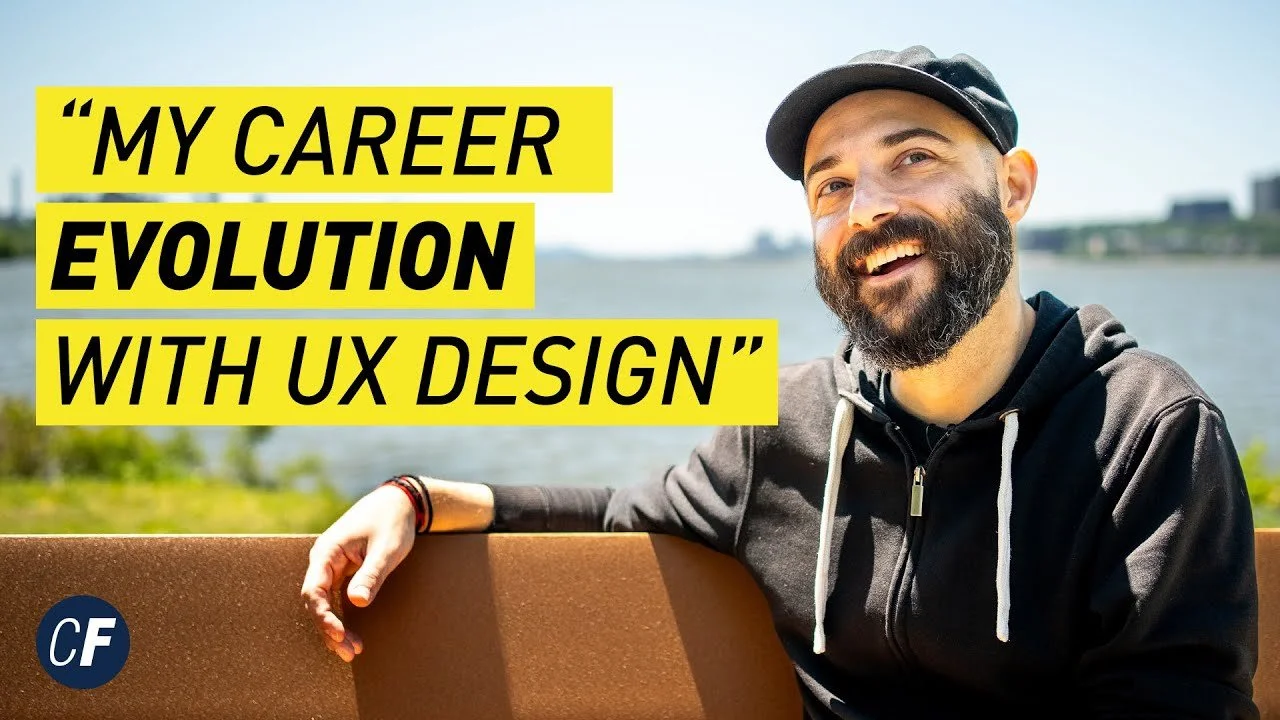
Casting for this series was a strategic decision before it was a creative one. We selected graduates whose before — the industry they left, the fear they carried — would resonate most specifically with the prospects most likely to convert. The goal was not to show the most impressive outcomes, but to show the most recognizable starting points.
Cici Yang: From Runway to User Flows
Cici left NYC's fashion industry to design healthcare experiences at Transcarent. We chose her story to speak to career changers who felt trapped in creative industries that didn't offer stability — a segment CareerFoundry consistently under-served in its existing content.
Sheridan Baker: From Fundraising to Figma
From NYU Stern to EY Design Studio, Sheridan's story was chosen for a different audience: high-achieving professionals in adjacent fields who didn't feel "technical enough" to make the pivot. Her nonprofit-to-corporate-design arc made the destination feel academically credible, not just aspirational.
Jonathan Boehr: Designing a Career, and a Life, That Fits
Jonathan's story was the most emotionally open of the series — less about the destination and more about what it felt like to be stuck. We included his specifically to speak to the prospect who isn't sure what they want yet, only that what they have isn't it.
The ‘UX Experts Answer’ Series
Where the Graduate Stories created identity proximity, this series was designed to do something different: shift the perceived expertise of CareerFoundry graduates from "students who made it" to "professionals worth listening to." By sourcing questions directly from community forums, we put alumni in an authoritative position the brand itself couldn't occupy.
🔗 Watch the full series here.

Episode 1: Best UX Tools Unveiled!
An entry-level question that every prospective student Googles — answered by people who are already working. The strategic intent was to intercept high-search-volume anxiety and redirect it through a trusted peer voice rather than a brand one.
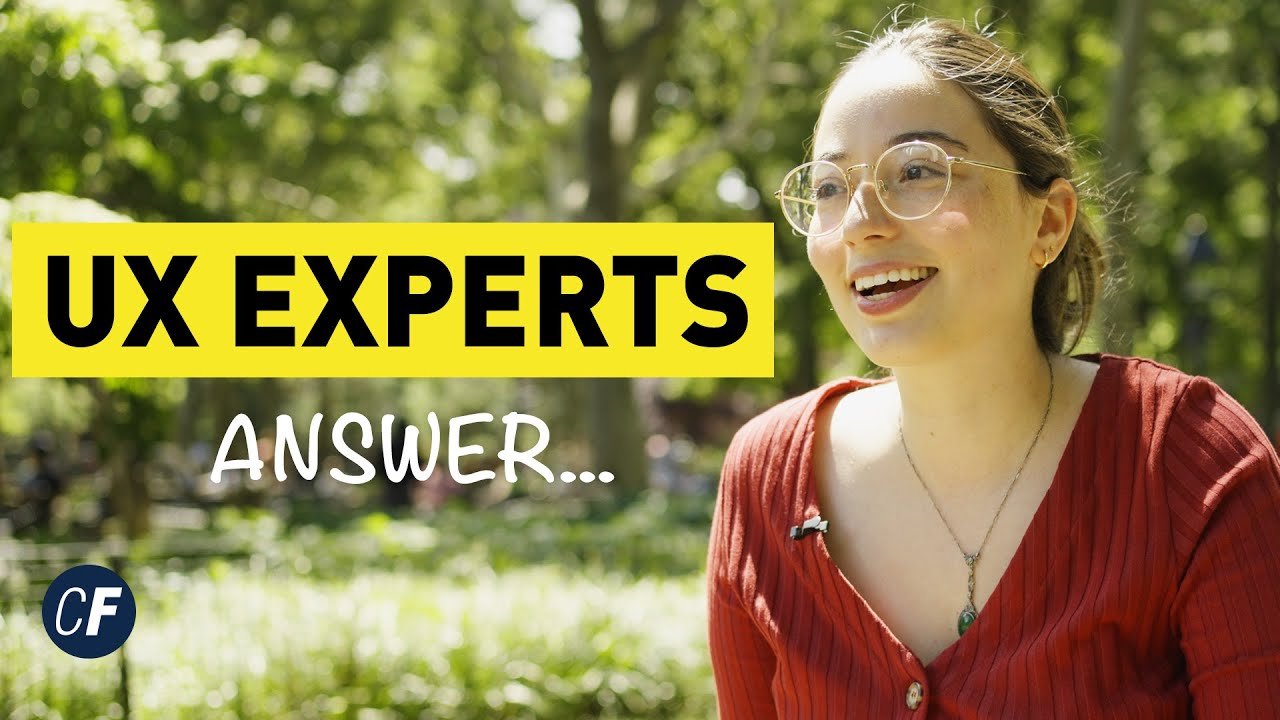
Episode 2: Don’t Believe in UX Trends…
Deliberately counter-intuitive framing. We wanted to signal that CareerFoundry graduates think critically, not just competently — which elevated both the alumni and the program.

Episode 3: How Will AI Impact UX Design?
The highest-stakes question in the market at the time. Putting alumni on camera to answer it — rather than a brand spokesperson or an instructor — was a deliberate authority transfer: these are the people having that conversation in actual industry rooms.
Results


By rebuilding who tells the story, from what position, and where in the funnel that story lives — we turned social proof from a marketing add-on into the brand's primary growth engine.
🔥 120% surge in engagement — story-led content outperforming traditional sales content across every platform
📈 $2M+ revenue attributed — alumni narratives became the highest-converting asset in the enrollment funnel, not just the top of it
👥 20,000+ new followers across YouTube and Instagram, driven by value-first, peer-led content that audiences actively sought out
📩 Evergreen infrastructure — the content library built during this period still powers the brand's website, email sequences, and YouTube strategy today
The number that matters most isn't the engagement rate or the follower count. It's that a content system I designed continued generating revenue and trust long after the campaign ended — because it was built on a strategic insight, not a content trend. That's the difference between a campaign and an architecture.