From Zero to $2M:
The Creator Program + CareerFoundry
When the brand can't make the argument, find the person who can — then build a system around them
Role: Head of Social & Content
Client: CareerFoundry (Global EdTech)
Scope: Influencer GTM Strategy, Creator Operations, Full-Funnel Attribution
Platforms: YouTube, LinkedIn, Discord, TikTok, CRM/Email
Most influencer programs fail for a simple reason: they treat every creator as interchangeable. Find a big account, negotiate a post, measure reach. Repeat.
That model doesn't work for a $10,000 purchase. At that price point, reach isn't the bottleneck — trust is. And trust isn't something you can buy in bulk. It has to come from the right person, making the right argument, at the right moment in the prospect's decision.
So instead of building an influencer roster, I built a casting system — one designed to match the exact type of credibility a prospect needed with the exact creator who held it.
Insight

When someone is deciding whether to spend $10,000 to change careers, they don't trust the brand. They trust the people they've been learning from for years — the YouTube creator who taught them Excel, the LinkedIn voice who made sense of the job market, the person who made the same scary pivot and lived to talk about it honestly.
CareerFoundry couldn't manufacture that trust from the inside. But it already existed in the communities where our prospects lived. The insight was simple: don't compete with that trust — borrow it.
The follow-on question was more interesting: different creators hold different kinds of trust, and different kinds of trust do different jobs in a sales process. Building this program meant figuring out exactly which job needed doing, then finding the one person whose credibility was the right fit for it.
Challenge
CareerFoundry had no influencer presence, no creator relationships, and no way to connect creator activity to actual revenue. The brief was to build something from nothing — a program that could reach career-switchers through voices they already trusted, and prove in concrete terms that it drove enrollments.
The goal wasn't awareness. It was attributed, trackable trust at scale.
Strategy:
Cast for the Job, Not the Audience

I mapped three distinct psychological moments in the prospect's decision journey — and identified the specific type of credibility each one required.
Job 1: Social permission. Before a prospect commits, they need to feel that choosing CareerFoundry is the smart, defensible choice. Not a leap of faith — a well-researched decision. This required domain experts: creators whose communities trusted them specifically on career and tech decisions. When that voice endorses the program, the prospect isn't just trusting the brand. They're trusting their own judgment.
Job 2: Identity aspiration. Knowing a program is credible isn't enough. The prospect also needs to be able to picture themselves on the other side — not just employed, but living a version of their life they actually want. This required creators whose careers, aesthetics, and daily reality embodied the destination, not just the outcome.
Job 3: Competitive inoculation. Every serious prospect will compare CareerFoundry to free alternatives — Google Certificates, self-study, cheaper bootcamps. Left unaddressed, that comparison kills conversions. But the brand can't make that argument credibly on its own behalf. This required a trusted third-party voice to deliver the comparison transparently — before the prospect went looking elsewhere.
Every creator partnership was cast and briefed against one of these three jobs. The program wasn't a roster. It was a narrative arc.
Execution: Building the Infrastructure

The value-first brief. Every content brief I wrote started with the prospect's highest-anxiety question — not the brand's strongest selling point: What actually happens after you graduate? What does AI mean for this career? Is a bootcamp worth it when Google gives certificates away for free? Making the content answer those questions meant it functioned as a resource, not an ad. That's what made it shareable and trusted.
YouTube as a compounding asset. I built the program around long-form YouTube deliberately. YouTube is a search engine, not a feed — which means a well-made video continues driving organic, high-intent traffic for years. Every creator investment had a declining effective cost over time. We weren't buying impressions. We were building assets.
Closing the gap with community. A video moves someone from unaware to interested. It rarely closes a $10,000 decision on its own. I built a second-stage layer — live webinars and live Q&As hosted by creators — designed to move prospects from viewers to leads in a high-trust, direct environment. This was the bridge between passive consumption and active enrollment.
Full-funnel attribution. I integrated the creator program with the CRM using custom UTMs and promo codes. Every enrollment could be traced back to a specific creator, video, and touchpoint. This turned creator strategy from a brand awareness argument into a performance channel — which is what made it fundable, scalable, and permanent.
Campaign Highlights
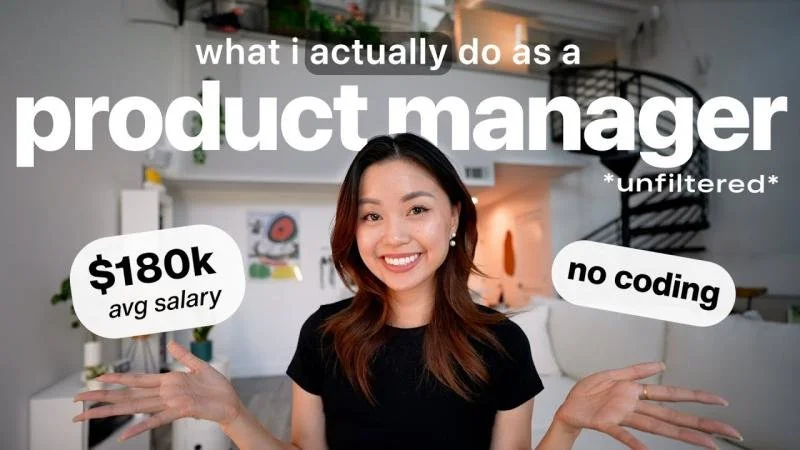
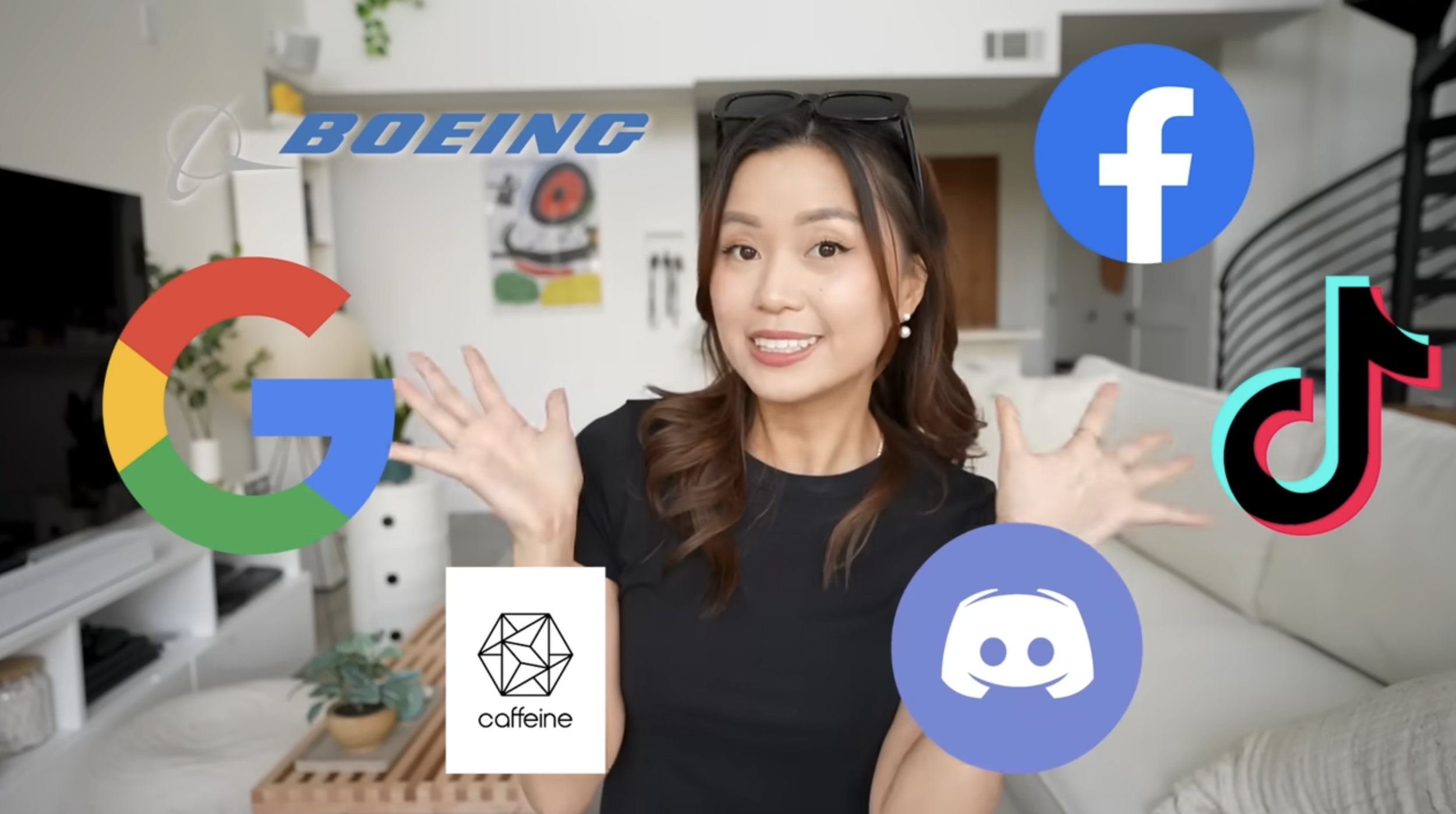
Chloe Shih: The Destination Made Visible
Job performed: Identity aspiration
Chloe's Forbes 30 Under 30 recognition gave her a specific kind of authority: she was aspirational in a way that felt achievable. Her "Day in the Life" content didn't sell the program — it made the destination feel real and liveable. 650K+ views and strong enrollment attribution confirmed that identity-driven storytelling could move high-ticket decisions in a way that feature-focused content never could.
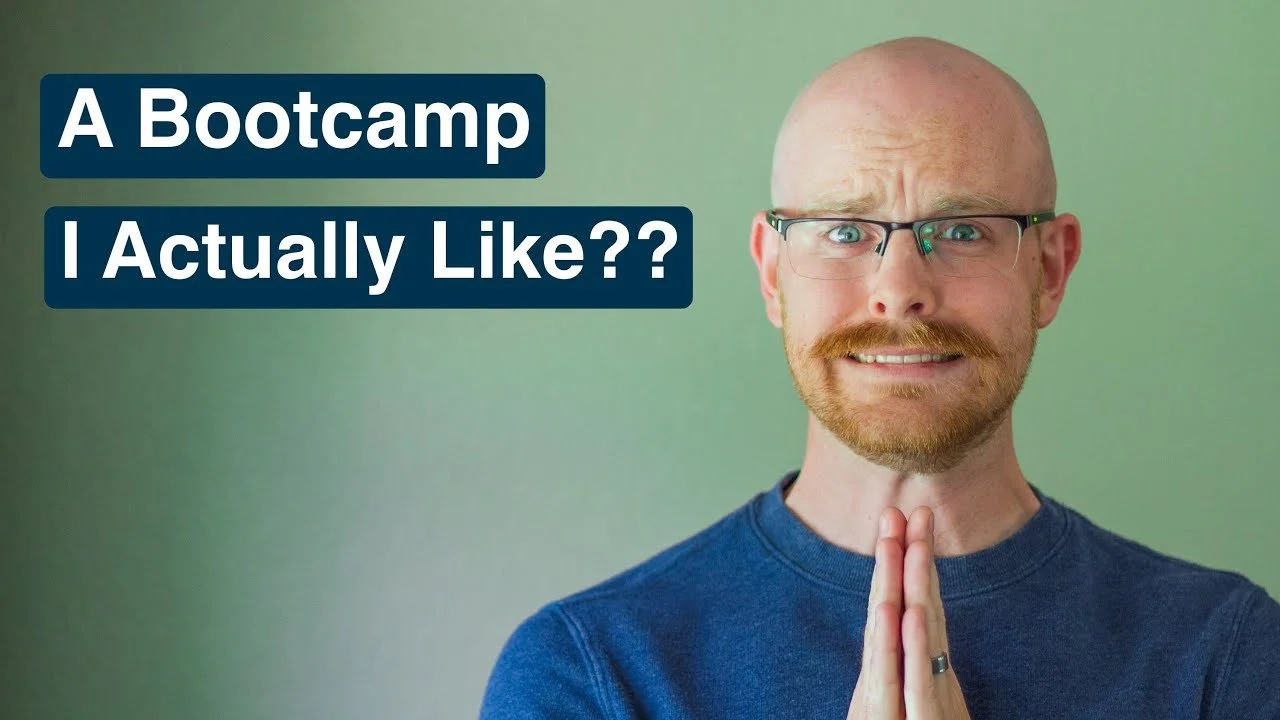
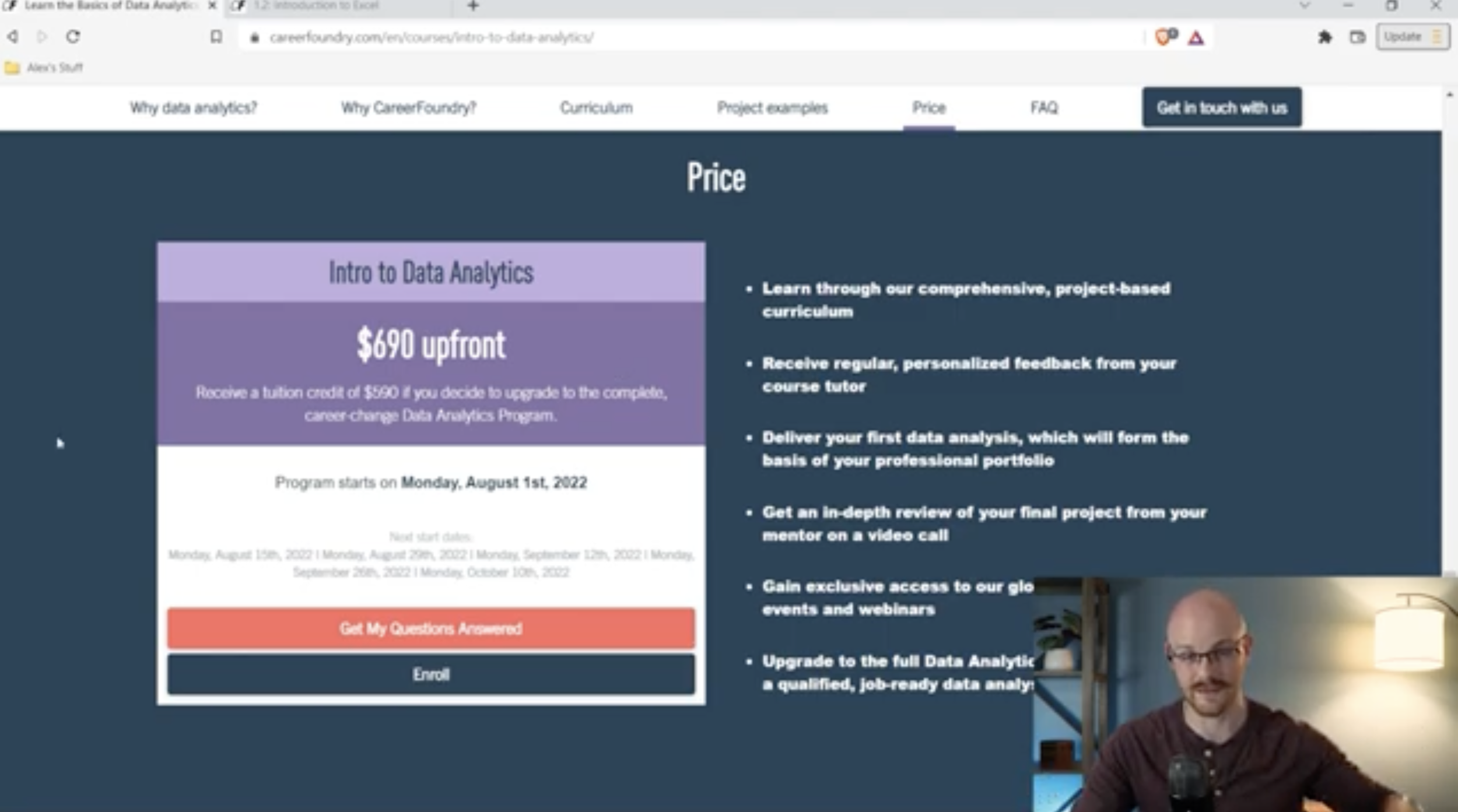
Alex the Analyst: Social Permission at Scale
Job performed: Social permission
Alex held more trust in the data analytics community than any brand could buy. His audience followed him because he wasn't promotional — which made his endorsement of CareerFoundry meaningfully different from an ad. We built a multi-channel activation: a deep-dive YouTube review paired with LinkedIn thought-leadership, designed to reach the same prospect at two different points in their research. The result was $550K in attributed revenue from a single partnership — and the proof of concept that made the entire department possible.


Aliena Cai: The Argument the Brand Couldn't Make
Job performed: Competitive inoculation
One of CareerFoundry's biggest sales obstacle was the Google Certificate objection. Prospects who were close to converting would find the free alternative and stall. The brand couldn't answer that objection credibly on its own behalf. Any direct comparison would read as defensive.
Aliena delivered a transparent, no-fluff comparison that worked precisely because it came from her, not from us. Her audience trusted her to be honest — which meant when she made the case for CareerFoundry as the premium, higher-value choice, it landed as a genuine conclusion rather than a marketing message. This is the clearest example in the program of what I'd call narrative ventriloquism as competitive strategy: routing an argument through a trusted voice so it arrives with credibility the brand itself couldn't provide.
When the Most Credible Voice Is Already Yours
External creators could borrow trust from their communities and redirect it toward CareerFoundry. But there was a ceiling to what that could do — because borrowed credibility, however powerful, still comes from the outside.
The next layer of the program was different. I identified that CareerFoundry's graduate community represented a trust register that no external creator could replicate: people who had actually made the leap, were now thriving in the roles prospects were dreaming about, and had no brand obligation to be positive about it. That combination — lived experience plus independence — is the hardest thing to manufacture and the easiest thing to believe.
CareerFoundry alumni Maureen Herben and Tom Hopcroft weren't cast to perform a job the external creators were already doing. They were activated to do something only insiders can: make the destination feel not just aspirational, but already inhabited.
Maureen Herben: Authority From the Inside
Job performed: Social permission + identity aspiration
Maureen was a CareerFoundry graduate now working as a Product Designer at Miro and Zalando — which made her a different kind of asset than an external creator. She was living proof. Her content addressed the senior-level questions that prospects were most afraid to ask: what does the career actually look like at year three? What does the salary ceiling look like? How does AI change the role? Fully booked webinars and high-intent lead conversion confirmed that alumni voices, when positioned correctly, could outperform external influencers on credibility.
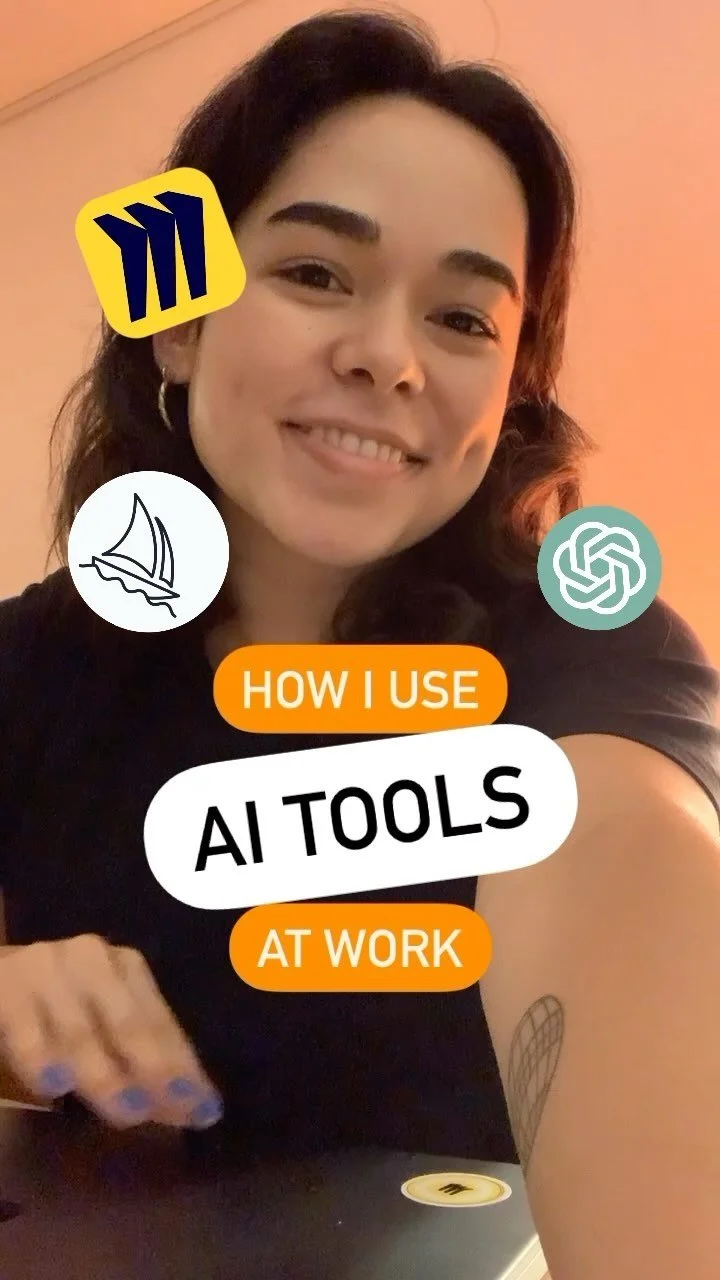
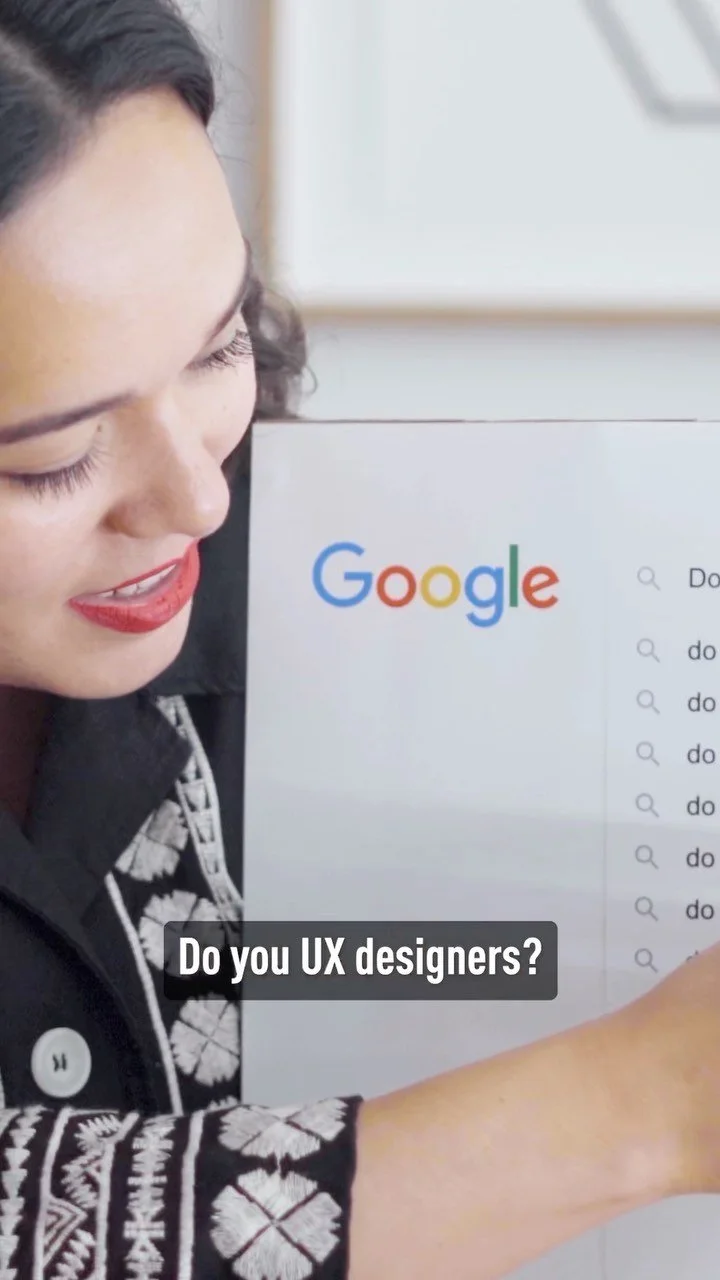
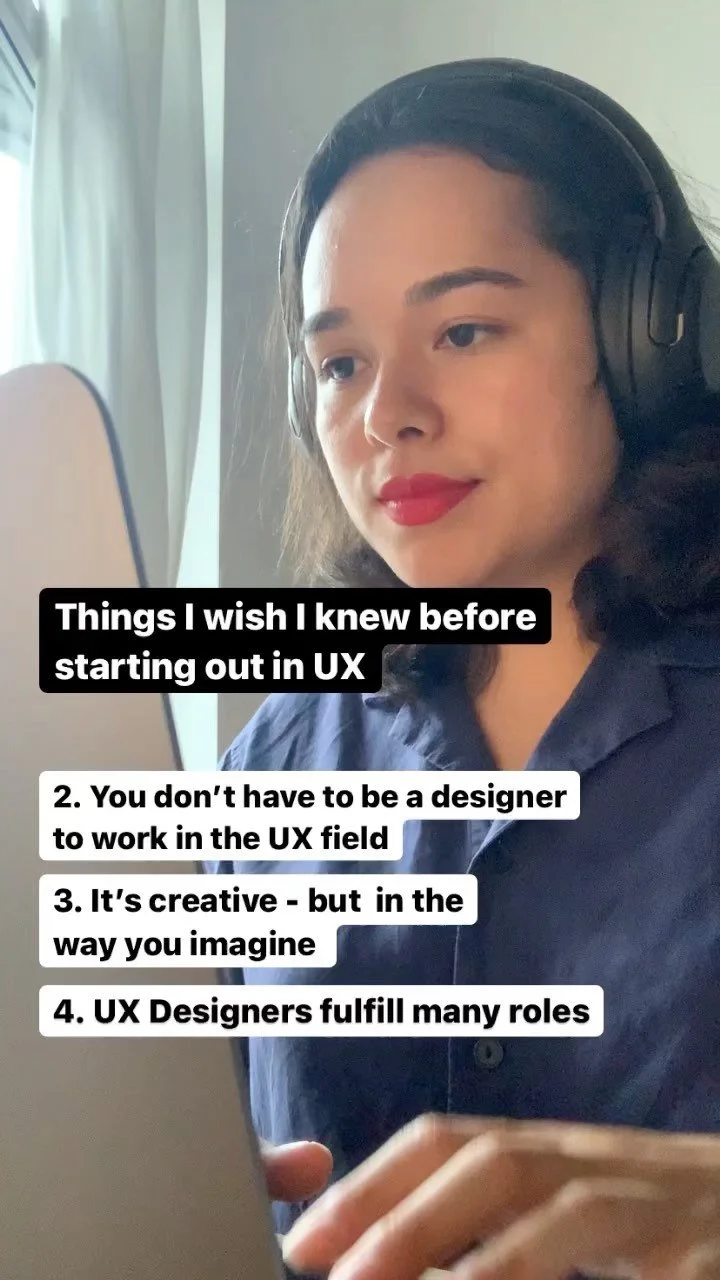
Tom Hopcroft
(Tom Charlie Design):
Peer-Level Honesty
Job performed: Identity aspiration + social permission
Tom's value was his register. With 200K+ followers and a reputation for no-filter career honesty, he reached a younger, platform-native audience that polished brand content couldn't touch. By tackling mid-career anxiety and salary realities directly on Instagram and TikTok — and extending into live webinars — his partnership proved that the trust infrastructure extended beyond YouTube and into short-form platforms when the creator's voice was genuinely authentic.


Results
💰 $2M+ in attributed revenue — traced to specific creator touchpoints, not estimated from reach
📈 5M+ global impressions across a curated network of domain-expert creators
🚀 Built from zero — a pilot experiment scaled into a permanent, multi-million dollar department
🌎 50+ international partnerships managed end-to-end across the U.S., UK, Germany, and Canada
The result that mattered most wasn't the revenue number — it was that the program outlasted my tenure because it was built on a repeatable system. That's the difference between an influencer program and a narrative architecture.